Unlock the Fifth Taste: A Guide to Umami in Japanese Cuisine
For centuries, the culinary world recognized four fundamental tastes: sweet, sour, salty, and bitter. But walk into any authentic Japanese kitchen, and you'll quickly realize there's something more profound at play – a deep, savory richness that elevates dishes from merely delicious to utterly unforgettable. This elusive yet powerful sensation is known as umami, the "fifth taste," and it stands as an essential Japanese taste sensation, a cornerstone of its gastronomic tradition.
If you've ever savored the depth of a perfectly brewed miso soup, the comforting broth of a ramen, or the complex aroma of aged soy sauce, you've experienced umami. Often described as savory, meaty, brothy, or "mouth-filling," umami adds a layer of satisfaction and complexity that makes food moreish and deeply pleasurable. It's not merely a flavor profile; it's a feeling, a full-bodied experience that lingers on the palate and encourages another bite.
In fact, when someone asks to identify eine Geschmacksrichtung Japanisch – a Japanese flavor – the answer is almost universally umami. Its discovery and integration into everyday cooking make it arguably the most distinctive contribution of Japanese cuisine to the global palate. This article delves deep into what umami is, why it's so fundamental to Japanese food, and how you can unlock its incredible potential in your own kitchen.
What Exactly is Umami? Defining the "Fifth Taste"
The concept of umami, which literally translates to "savory deliciousness" or "essence of deliciousness" in Japanese, was first identified scientifically in 1908 by Japanese chemist Dr. Kikunae Ikeda. He noticed a distinct taste in kombu (kelp) dashi, a traditional Japanese broth, that wasn't covered by the four known basic tastes. Through his research, Dr. Ikeda isolated glutamate, an amino acid, as the primary compound responsible for this unique savory flavor. He went on to patent monosodium glutamate (MSG) as a seasoning, a pure form of umami, but the taste itself has existed in foods for millennia.
Umami is not merely salty or sweet; it possesses its own distinct characteristics:
- Savoriness: It evokes a sense of meatiness or broth-like flavor, even in plant-based foods.
- Mouthfeel: It contributes to a feeling of fullness and satisfaction in the mouth, often described as coating the tongue.
- Lasting Taste: Unlike other tastes that dissipate quickly, umami tends to linger and enhance other flavors.
- Salivation: It stimulates saliva secretion, which helps in the perception of other tastes and makes food easier to swallow.
- Palate Enhancement: It balances and rounds out the overall flavor of a dish, making it more complex and harmonious.
While glutamate is the most common umami compound, other nucleotides like inosinate (found in fish and meat) and guanylate (found in dried mushrooms) also contribute significantly. The magic often happens when these compounds are combined; for instance, the synergy between glutamate from kombu and inosinate from katsuobushi (bonito flakes) in dashi creates an umami explosion far greater than the sum of its parts. This synergistic effect is a key principle in solving the puzzle: what is umami, the Japanese flavor and why it's so potent.
The Pillars of Umami in Japanese Cuisine
Japanese culinary tradition didn't wait for scientific discovery to embrace umami; it intuitively built its foundations upon it. Many staple Japanese ingredients and cooking methods are inherently designed to maximize and deliver this fifth taste. It's no exaggeration to say that umami is the very soul of Japanese cooking, a pervasive and fundamental Geschmacksrichtung Japanisch.
Dashi: The Umami Foundation
At the heart of almost all traditional Japanese cooking lies dashi, a simple yet profoundly umami-rich broth. Dashi serves the same foundational role as stock in Western cuisine, but its primary function is to impart pure umami. The most common dashi is made from just two ingredients:
- Kombu: A type of edible kelp, rich in glutamate. When steeped in hot water, it releases this natural umami compound.
- Katsuobushi: Shavings of dried, fermented, and smoked bonito fish, which are high in inosinate.
The combination of these two creates a powerful synergistic umami effect that forms the base for countless dishes, from miso soup and noodle broths to simmering liquids for vegetables and sauces. Without dashi, many iconic Japanese flavors would simply not exist in their authentic form.
Fermented Foods and Umami Powerhouses
Fermentation is another ancient technique deeply rooted in Japanese food culture that naturally concentrates umami. This process breaks down proteins into amino acids, including glutamate, intensifying the savory taste:
- Miso: A fermented soybean paste, essential for soups, marinades, and dressings. Different varieties (white, red, mixed) offer varying levels of umami and depth.
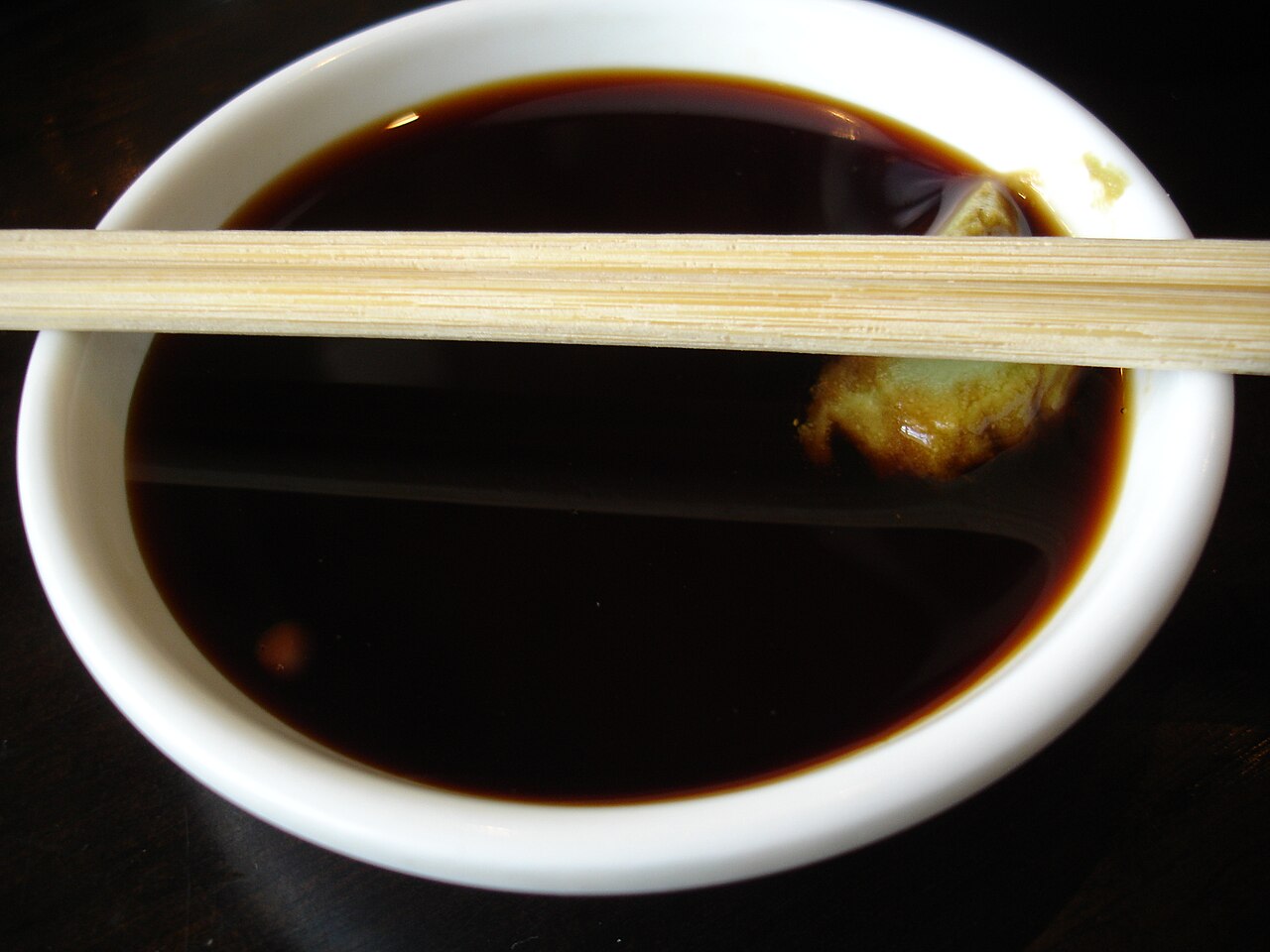
- Soy Sauce (Shoyu): Made from fermented soybeans, wheat, salt, and water, it's a global ambassador of umami, adding salinity and richness to almost any dish.
- Nattō: Fermented soybeans known for their pungent aroma and sticky texture, boasting a distinctive umami profile.
Other Key Umami-Rich Ingredients
Beyond dashi and fermented products, many other Japanese ingredients are celebrated for their umami contribution:
- Shiitake Mushrooms: Especially dried shiitake, are packed with guanylate and bring an earthy, deep umami to broths, stir-fries, and simmered dishes.
- Green Tea (Matcha, Gyokuro): High-quality green teas contain L-theanine, an amino acid that contributes a subtle, pleasant umami note to their flavor profile.
- Tomatoes: While not native to Japan, tomatoes are a Western umami superstar (rich in glutamate) that have been embraced in many fusion Japanese dishes.
- Fish and Seafood: Many varieties, particularly fatty fish like mackerel or tuna, and shellfish, are naturally high in inosinate.
Practical Tips for Unleashing Umami in Your Kitchen
Understanding umami isn't just for chefs; it's a secret weapon for any home cook looking to elevate their dishes. Here’s how you can consciously incorporate this fundamental Geschmacksrichtung Japanisch into your everyday cooking:
- Master Basic Dashi: Learning to make simple kombu dashi or kombu-katsuobushi dashi is perhaps the single most impactful step. It takes minimal effort but provides an incredibly versatile and flavorful base for countless dishes. Use it in soups, stews, sauces, or to simmer vegetables.
- Embrace Miso Paste: Keep a tub of good quality miso paste in your fridge. A spoonful can transform a simple broth, add depth to marinades for fish or chicken, or enrich salad dressings. Remember to dissolve it in a little warm liquid before adding to hot dishes to preserve its delicate flavor.
- Leverage Soy Sauce Thoughtfully: Beyond just seasoning, use soy sauce to deepen flavors in stir-fries, glazes, and dipping sauces. Explore different types like tamari (gluten-free) or ponzu (citrus-infused) for varied umami profiles.
- Rehydrate Dried Mushrooms: Dried shiitake mushrooms are an umami bomb. Rehydrate them in warm water, and not only do you get delicious mushrooms for cooking, but the soaking liquid itself becomes an umami-rich broth perfect for soups and sauces.
- Slow Cook and Braise: Longer cooking times, especially for meats and certain vegetables, allow glutamate to be released and concentrated, resulting in more intensely savory flavors. Think braised short ribs or slow-cooked stews.
- Combine Umami Sources: Remember the synergy! Pair ingredients rich in glutamate (like kombu, tomatoes, cheese, mushrooms) with those rich in inosinate or guanylate (like meats, fish, dried mushrooms). A classic example is a mushroom and beef stew, or a tomato sauce with Parmesan cheese.
- Roast Your Vegetables: Roasting vegetables like tomatoes, onions, or root vegetables caramelizes their natural sugars and concentrates their glutamates, significantly boosting their umami content.
- Add a "Secret" Umami Booster: Sometimes, a small dash of an umami-rich ingredient can make a huge difference. Consider adding a pinch of nutritional yeast, a teaspoon of tomato paste, or a spoonful of anchovy paste (for a non-vegetarian option) to savory dishes that feel like they're missing something.
Conclusion
Umami is far more than just a scientific curiosity; it's a sensory experience that defines a significant portion of what makes Japanese cuisine so universally beloved and revered. As eine Geschmacksrichtung Japanisch, it's woven into the very fabric of the culture's culinary philosophy, prioritizing balance, depth, and profound satisfaction. By understanding and intentionally incorporating umami-rich ingredients and techniques, you not only unlock the authentic flavors of Japan but also gain a powerful tool to make your own cooking more delicious, complex, and satisfying. So, next time you crave that indescribable savory goodness, remember the fifth taste, and let umami guide your culinary journey.