Decoding the Fifth Taste: What is Umami?
For centuries, the culinary world recognized four fundamental tastes: sweet, sour, salty, and bitter. These sensations form the bedrock of our perception of food, guiding our preferences and shaping our gastronomic experiences. However, at the turn of the 20th century, a groundbreaking discovery in Japan revealed a fifth, equally crucial taste that would revolutionize our understanding of flavor: Umami. Often described as savory, meaty, or brothy, Umami is more than just a flavor; it's a fundamental solving the puzzle: what is umami, the Japanese flavor? that provides depth, richness, and a satisfying fullness to countless dishes, particularly those in Japanese cuisine.
The term "Umami" itself is Japanese, translating roughly to "delicious essence" or "savory deliciousness." Its recognition as a distinct taste sensation, alongside the traditional four, marks a pivotal moment in food science and culinary arts. While its presence is deeply woven into the fabric of traditional Japanese cooking, Umami is a universal taste, found in diverse ingredients across cultures, often enhancing and harmonizing other flavors in a way that truly elevates a meal.
The Science Behind the Sensation
The scientific journey to understanding Umami began in 1908 with Japanese chemist Professor Kikunae Ikeda. While enjoying a bowl of kombu dashi (seaweed broth), he noticed a distinct savory taste that didn't fit into the existing categories. He embarked on a quest to identify the compound responsible for this unique flavor. His research led him to isolate glutamic acid, an amino acid, as the primary source of this sensation. He coined the term "Umami" to describe the taste it produced.
Further research has revealed that Umami isn't solely attributed to glutamate. Other compounds, particularly ribonucleotides like inosinate and guanylate, also contribute significantly to the Umami profile. What's truly fascinating is the synergistic effect: when glutamate-rich foods are combined with foods rich in inosinate or guanylate, the Umami intensity isn't merely additive; it multiplies. This scientific insight explains why traditional dishes worldwide, especially those from Japan, often combine ingredients like seaweed (glutamate) with bonito flakes (inosinate) to create a profoundly satisfying depth of flavor.
Our tongues are equipped with specific taste receptors designed to detect glutamate and ribonucleotides, confirming Umami's status as a distinct basic taste. This biological mechanism highlights its evolutionary importance, likely guiding our ancestors towards protein-rich foods essential for survival.
Recognizing Umami: How to Identify the Savory Signature
While sweet, sour, salty, and bitter are often immediate and distinct, Umami can be more subtle, often described as a lingering background note rather than a front-and-center flavor. Yet, once you learn to recognize it, you'll find it everywhere. So, how does one identify this elusive, yet essential, Japanese taste sensation?
Umami typically manifests as a pleasant, savory, and mouth-filling taste. It provides a coating sensation on the tongue, often lasting longer than other tastes. It can make you salivate more, contributing to a feeling of richness and depth in the food. Think of the deep, satisfying flavor of a perfectly aged steak, the comforting warmth of a slow-cooked broth, or the complex savoriness of a ripe tomato. These are all prime examples of Umami at play.
Beyond Just "Savory": The Nuances of Umami
What sets Umami apart is its ability to enhance and balance other flavors without overpowering them. It doesn't just taste savory; it makes other ingredients taste better. It can round out sharp edges, deepen sweet notes, and provide a sense of harmony in a dish. A dash of soy sauce in a sauce, for instance, doesn't just add saltiness; it introduces a layer of Umami that elevates the entire flavor profile, making it more cohesive and delicious. This subtle but profound impact is why Umami is considered so essential, particularly in cuisines that prioritize balance and depth of flavor, like Japanese cooking. To truly unlock the fifth taste: a guide to umami in Japanese cuisine, one must appreciate its nuanced contribution.
Umami in Japanese Cuisine and Beyond
When considering "eine Geschmacksrichtung Japanisch" – a Japanese taste sensation – Umami immediately springs to mind. Japanese cuisine, with its emphasis on natural flavors and meticulous preparation, is a treasure trove of Umami-rich ingredients and techniques. Dashi, the fundamental Japanese broth made from kombu (kelp) and katsuobushi (dried bonito flakes), is perhaps the purest expression of Umami, forming the base for countless dishes like miso soup, noodle broths, and stews.
Beyond Japan, Umami's presence is global. It's found in cured meats, aged cheeses, fermented foods, and many vegetables, demonstrating its universal appeal and natural occurrence in foods that are often perceived as particularly delicious and satisfying.
Key Umami-Rich Ingredients to Explore
Incorporating more Umami into your cooking can transform everyday meals into extraordinary culinary experiences. Here are some prime examples of ingredients known for their high Umami content:
- Kombu (Dried Kelp): A staple in Japanese cooking, kombu is rich in glutamic acid and forms the base of dashi.
- Shiitake Mushrooms: Especially when dried, shiitake mushrooms are packed with guanylate, offering a deep, earthy Umami.
- Katsuobushi (Dried Bonito Flakes): A key ingredient in dashi, katsuobushi provides abundant inosinate, creating a powerful Umami synergy with kombu.
- Miso: This fermented soybean paste is a powerhouse of Umami, offering complex savory notes and incredible depth.
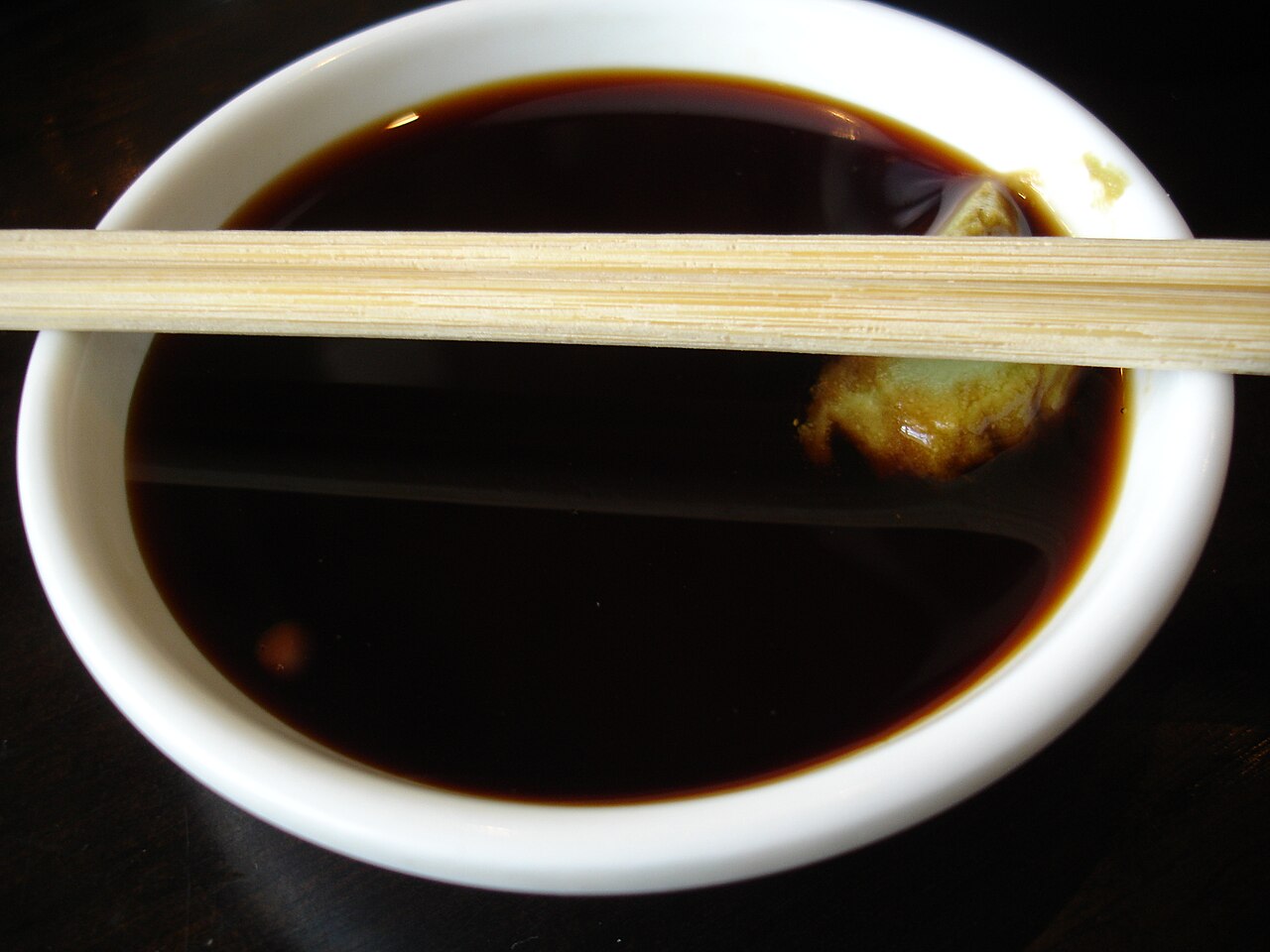
- Soy Sauce: Another fermented product, soy sauce is a ubiquitous Umami enhancer in Asian and global cuisines.
- Tomatoes: Particularly sun-dried or intensely ripe tomatoes, are high in glutamate and lend a bright, fruity Umami.
- Parmesan Cheese: Aged cheeses, like Parmesan, develop high levels of glutamate, contributing a rich, tangy Umami.
- Green Tea: Certain types, especially Matcha and Gyokuro, contain high levels of L-theanine, an amino acid that contributes to their unique savory notes and perceived Umami.
- Anchovies and Fish Sauce: These fermented fish products are intensely savory and can add a significant Umami punch to dishes.
Mastering Umami: Tips for Culinary Enhancement
Understanding Umami isn't just about identifying it; it's about harnessing its power to create more flavorful, satisfying food. Here are some practical tips to maximize Umami in your kitchen:
Techniques for Maximizing Flavor
- Slow Cooking and Braising: Extended cooking times, especially for meats and vegetables, break down proteins into amino acids, releasing more glutamate and enhancing Umami. Think of a rich beef stew or a deeply caramelized onion soup.
- Fermentation: Processes like fermentation naturally increase Umami compounds. Miso, soy sauce, kimchi, aged cheeses, and sourdough bread are all examples where fermentation contributes to their deep savory profiles.
- Browning and Roasting: The Maillard reaction, responsible for the browning of food, creates complex flavor compounds, including those that contribute to Umami. Roasting vegetables or searing meats develops intense savory notes.
- Dehydration: Drying ingredients like tomatoes, mushrooms, or seaweed concentrates their Umami compounds, making them potent flavor boosters.
Practical Umami Boosters in Your Kitchen
You don't need exotic ingredients to infuse your cooking with Umami. Many common pantry staples can do the trick:
- Build a Better Broth: Always start your soups and sauces with a rich stock or dashi. Use kombu, dried mushrooms, or a Parmesan rind to add depth.
- Layer Ingredients: Combine ingredients known for glutamate (like tomatoes, cheese, mushrooms) with those rich in inosinate (meat, fish, chicken) to create a synergistic Umami explosion. A classic example is pepperoni pizza with tomato sauce and mozzarella.
- Embrace Fermented Condiments: Miso paste, soy sauce, fish sauce, and Worcestershire sauce are all excellent sources of Umami. A dollop of miso in a soup, a splash of soy sauce in a stir-fry, or a dash of fish sauce in a vinaigrette can make a world of difference.
- Use Tomato Paste: A concentrated source of glutamate, tomato paste can be added to sauces, stews, and braises for an instant Umami boost. Cook it down until it caramelizes for an even deeper flavor.
- Don't Waste Your Rinds: Parmesan rinds, often discarded, are packed with Umami. Simmer them in soups or sauces to extract their savory goodness.
- Experiment with Mushrooms: Fresh or dried, mushrooms are fantastic Umami vehicles. Sauté them until deeply browned, or rehydrate dried shiitakes and use both the mushrooms and the soaking liquid.
The Global Impact of Umami
What began as a scientific discovery about a specific eine Geschmacksrichtung Japanisch – a Japanese taste – has blossomed into a global culinary phenomenon. Umami is no longer a secret confined to Japanese kitchens but a widely recognized and celebrated taste that chefs and home cooks worldwide actively seek to incorporate into their dishes. Its understanding allows for more intentional flavor development, moving beyond trial and error to a scientifically informed approach to deliciousness.
The embrace of Umami has also fostered a greater appreciation for fermented foods, aged products, and traditional cooking methods that naturally enhance this fifth taste. It bridges cultural divides, reminding us that regardless of cuisine, the pursuit of satisfying, deeply flavorful food is a universal human desire.
In essence, Umami is the invisible hand that guides us toward deliciousness, a foundational element that adds complexity, balance, and a profound sense of satisfaction to our meals. Recognizing and mastering it is a journey into the heart of flavor itself, offering endless possibilities for culinary creativity and enjoyment.